Apparelall
China Women Dress Sourcing Agent
China Women Dress Sourcing Agent
Couldn't load pickup availability
Women’s Dress Sourcing – Your Complete Guide to Feminine Apparel from China
The women’s dress category represents one of the most diverse and expressive segments in fashion, spanning casual daywear, sophisticated office attire, elegant evening gowns, and everything in between. Dresses require a unique combination of design vision, pattern engineering, fabric selection, and construction precision that sets them apart from other garment categories. From flowing maxi dresses and structured sheath styles to romantic wrap dresses and contemporary mini silhouettes, each style demands specialized manufacturing expertise. Sourcing women’s dresses from China provides access to manufacturers with extensive experience across diverse dress categories, offering competitive pricing, material variety, and scalable production capabilities. Partnering with an experienced women’s dress sourcing agent navigates the complexities of fit development, silhouette engineering, and quality assurance, ensuring your collection captures the attention of today’s discerning female consumers.
Understanding the Women’s Dress Landscape
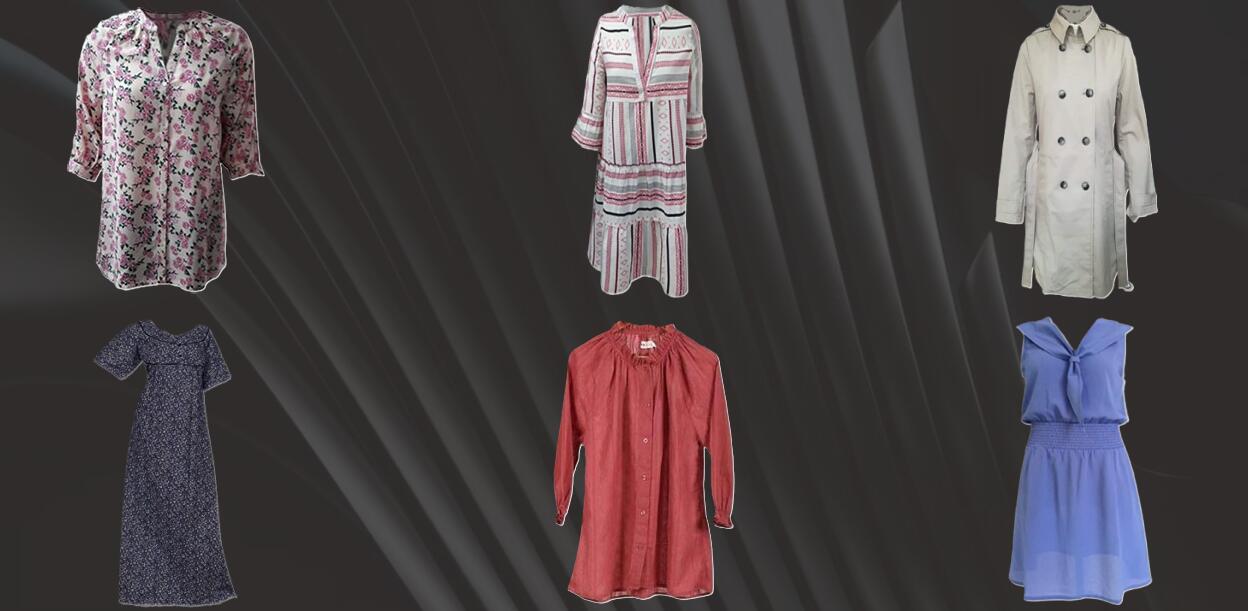
Women’s dresses encompass a remarkable range of styles, each serving different occasions, body types, and consumer preferences. Casual dresses prioritize comfort and ease, featuring relaxed fits, breathable fabrics, and versatile styling suitable for everyday wear. Maxi dresses offer effortless elegance with floor-length silhouettes, popular for warm weather, resort wear, and bohemian-inspired collections. Midi dresses hit at mid-calf, providing a sophisticated option that transitions seamlessly from day to evening. Mini dresses cater to younger demographics and social occasions, emphasizing bold designs and contemporary cuts. Sheath dresses deliver a tailored, professional appearance essential for workwear and business casual collections. A-line and fit-and-flare styles flatter a wide range of body types, making them consistent bestsellers across markets. Wrap dresses remain a timeless favorite, valued for their adjustable fit and universally flattering silhouette. Evening gowns and cocktail dresses require higher levels of craftsmanship, with attention to draping, embellishment, and structural details. Shirt dresses combine casual comfort with polished appearance, appealing to customers seeking versatile wardrobe staples. A successful sourcing strategy begins with identifying which dress styles align with your brand identity and target customer.
Fabric Selection – The Foundation of Feminine Design
Fabric choice fundamentally influences the drape, structure, and overall appeal of women’s dresses. Cotton and cotton blends offer breathability and ease of care, ideal for casual and summer dresses where comfort is paramount. Viscose and rayon deliver fluid drape and a soft hand feel, perfectly suited for flowing silhouettes and wrap dresses that require movement. Linen provides a natural, textured appearance with excellent moisture-wicking properties, popular in resort wear and warm-weather collections. Polyester blends offer wrinkle resistance and shape retention, valuable for travel-friendly styles and structured designs. Silk and satin convey luxury and sophistication, used in evening wear, bridal collections, and premium occasion dresses. Tencel and modal provide eco-friendly alternatives with exceptional softness and sustainable credentials. Jersey knits offer stretch and comfort for casual and body-conscious styles. Jacquard and brocade add texture and visual interest for special occasion pieces. A knowledgeable sourcing agent guides you through fabric selection based on your design requirements, target price point, and desired aesthetic.
Silhouette Engineering and Pattern Development
Creating a well-fitting women’s dress begins with precise pattern development that accounts for the complexities of the female form. Flat pattern making allows for accurate grading across sizes, ensuring consistency throughout production. Draping techniques are often employed for evening wear and complex silhouettes, allowing designers to visualize fabric movement and fit on the form. Fit samples undergo multiple rounds of refinement to perfect proportions, addressing critical areas such as bust darts, waist placement, shoulder alignment, and hemline balance. Princess seams provide shaping without the need for darts, creating clean lines across the bust and torso. Bust and cup sizing considerations are essential for fitted styles, with options including built-in cups, structured bodices, and strategic seam placement. Sizing standards vary across markets, with US, UK, European, and Asian sizing requiring careful conversion based on target audience. A sourcing agent with technical expertise ensures that patterns are developed correctly, minimizing fit issues in final production.
Construction Techniques and Quality Indicators
Quality dress construction reveals itself in the details that distinguish exceptional garments from ordinary ones. Seam finishes such as french seams, serged edges, and flat-felled seams prevent fraying and enhance durability, with finished interiors signaling attention to quality. Lining adds structure, comfort, and a polished interior finish, particularly important in tailored dresses, evening wear, and styles where transparency may be a concern. Zipper installation requires precision, with invisible zippers offering a clean look in fitted styles and exposed zippers adding design interest in casual and contemporary pieces. Hemming techniques vary from blind hems for formal wear to double-needle stitching for casual dresses, with each method suited to specific fabric types and style requirements. Pleating, gathering, and ruffles require skilled execution to achieve consistent fullness and symmetrical appearance. Embellishments such as beading, embroidery, and lace application demand careful handling to ensure durability and aesthetic appeal without compromising garment integrity. A sourcing partner with quality control protocols verifies these construction details throughout production.
The Sourcing Process – From Concept to Delivery
Successful women’s dress sourcing follows a structured process that balances creative vision with manufacturing realities. The journey begins with design specification, where you define silhouette, fabric, trims, and construction details that bring your vision to life. Technical packs are developed to communicate precise requirements to manufacturers, including measurement specifications, construction details, and finishing instructions. Sample development follows, typically beginning with a prototype to evaluate fit and construction, followed by a pre-production sample for final approval. Multiple sample rounds may be necessary for complex styles, particularly those involving draping, embellishment, or specialized construction techniques. Bulk manufacturing proceeds once samples are confirmed, with quality control checkpoints at key stages throughout production. In-line inspections monitor cutting accuracy, stitching quality, and finishing details, catching potential issues before they affect large quantities. Final inspection ensures consistency across the entire order before goods are packed for shipment. A dedicated women’s dress sourcing agent manages each phase, handling factory communication, timeline coordination, and quality assurance on your behalf.
Fit and Sizing Considerations
Fit is paramount in women’s dresses, directly impacting customer satisfaction and return rates. Grading across size ranges must account for proportional differences, ensuring that larger sizes maintain proper fit rather than simply scaling up smaller patterns. Fit standards vary across markets, with European, American, and Asian sizing requiring careful consideration based on your target audience. Different dress styles within a collection may require distinct fit approaches, with wrap dresses offering more adjustability than fitted sheath styles. Bust fit requires particular attention, with considerations for cup sizing, dart placement, and strategic seam engineering. Waist placement affects both appearance and comfort, with variations including natural waist, empire, and dropped waist options. Length considerations across sizes must maintain proportional balance, with hemlines graded appropriately for petite, regular, and tall ranges. A sourcing agent experienced in women’s dress fit development helps you achieve consistent sizing that meets market expectations.
Print and Pattern Applications
Women’s dresses offer abundant opportunities for prints, patterns, and design details that differentiate collections and capture consumer attention. Digital printing allows for detailed, multicolor designs with no minimum quantities for custom patterns, enabling unique, small-batch collections. Screen printing provides vibrant colors and durability for simpler designs and larger production runs. All-over prints require careful pattern matching during cutting to ensure consistent appearance across each garment, with pattern repeats calculated precisely. Placement prints add distinctive focal points at bodices, hemlines, or strategic design elements. Floral prints remain perennial favorites across seasons, while geometric patterns, animal prints, and abstract designs serve specific market segments. Seasonal themes and trend-driven prints refresh collections for each selling season. A sourcing partner with printing expertise ensures that pattern applications meet quality standards for color accuracy, durability, and proper placement.
Quality Control Standards
Consistency in women’s dress production requires rigorous quality standards throughout the manufacturing process. Fabric inspection ensures that materials meet specifications for weight, drape, and color accuracy before cutting begins, preventing defects from entering production. In-process inspections monitor seam integrity, stitch tension, and finishing details, with checkpoints strategically placed after critical operations. Dimensional checks ensure accurate sizing across all units, with particular attention to bust, waist, hip, and length measurements that define proper fit. Shrinkage testing confirms that fabrics maintain dimensions after laundering, essential for customer satisfaction and garment longevity. Colorfastness testing verifies dye stability across production batches, ensuring that matching pieces within sets remain consistent. Hardware functionality testing ensures that zippers, buttons, and closures perform as intended without failure. A sourcing agent with local presence conducts factory audits and maintains quality oversight throughout production.
Low Minimum Order Quantities and Scalability
Women’s dress sourcing from China offers flexibility across order volumes, with options suitable for emerging designers and established retailers alike. Many manufacturers accommodate low minimum order quantities for simpler styles using stock fabrics, allowing new brands to enter the market with manageable inventory. Custom-printed fabrics, specialty trims, and complex constructions typically require higher minimums. For emerging designers, working with a sourcing agent helps identify factories willing to support smaller initial orders while maintaining quality standards. For established businesses requiring high-volume production, manufacturers offer scalable capacity to fulfill large wholesale orders across multiple styles, sizes, and colorways. Whether you need 100 pieces for a capsule collection or 10,000 units for a seasonal launch, the right sourcing partner aligns manufacturing capabilities with your business model.
Sustainability and Ethical Manufacturing
Consumer expectations around sustainability increasingly influence women’s dress sourcing decisions. Many Chinese dress manufacturers have adopted eco-friendly practices, including water-efficient dyeing processes, renewable energy usage, and waste reduction programs. Sustainable material options include organic cotton, recycled polyester, Tencel, modal, and responsibly sourced viscose. Certifications such as OEKO-TEX, GOTS, and BSCI provide third-party validation of environmental and social responsibility. Ethical manufacturing standards, including fair wages and safe working conditions, are increasingly prioritized by factories seeking long-term partnerships. A sourcing agent committed to responsible supply chains helps you identify manufacturers aligned with your sustainability goals, enabling you to market your women’s dresses with authenticity and transparency.
Logistics and Shipping Considerations
Efficient logistics ensure your women’s dresses arrive on schedule and in optimal condition. Sea freight offers cost-effective solutions for larger orders, while air freight provides faster delivery for time-sensitive collections and quick-turnaround needs. Dresses require careful packing to maintain shape and prevent wrinkling during transit, with hanging garment containers recommended for wrinkle-sensitive styles. Warehousing, consolidation, and fulfillment services can be integrated into your sourcing arrangement, simplifying the supply chain. Seasonal planning is critical for women’s dresses, with spring and summer collections requiring earlier production timelines and fall and winter styles following separate schedules. A sourcing agent coordinates shipping documentation, customs clearance, and final-mile delivery, reducing administrative burden and minimizing delays.
Why Partner with a Women’s Dress Sourcing Agent
Navigating women’s dress manufacturing independently presents unique challenges given the complexity of silhouette engineering, fit development, and diverse construction techniques across different dress styles. A dedicated women’s dress sourcing agent acts as your on-the-ground representative, leveraging established relationships with vetted factories to secure competitive pricing and reliable production. From initial concept to final delivery, the sourcing agent handles factory selection, negotiation, sample approval, quality control, and logistics coordination. This approach allows you to focus on design, brand development, marketing, and sales while ensuring your women’s dress collection meets quality and timeline expectations.
Applications Across Markets
Women’s dresses serve diverse markets, each with distinct requirements. Fashion brands prioritize trend-driven designs, seasonal color stories, and distinctive details that differentiate their collections. Workwear and corporate markets demand structured silhouettes, durable materials, and consistent sizing across professional collections. E-commerce brands require accurate sizing, photogenic presentation, and packaging that enhances the customer experience. Bridal and special occasion markets require higher levels of craftsmanship, with attention to intricate details and premium materials. Resort and vacation collections prioritize lightweight fabrics, vibrant prints, and effortless styling. A sourcing partner with cross-industry experience tailors solutions to your specific market segment.