Apparelall
China Suit Sourcing Manufacturing Agent Partner
China Suit Sourcing Manufacturing Agent Partner
Couldn't load pickup availability
Kids Clothing Sourcing – Your Complete Guide to Quality Children’s Apparel from China
The children’s apparel market occupies a unique space in the fashion industry, where safety, durability, and comfort carry equal weight to style and design. Parents seek garments that withstand active play, frequent laundering, and growth spurts while maintaining visual appeal and age-appropriate aesthetics. From infant bodysuits and toddler separates to school uniforms and tween fashion, kids clothing requires specialized manufacturing expertise that accounts for developing bodies, safety regulations, and the practical realities of childhood. Sourcing kids clothing from China provides access to manufacturers with extensive experience in children’s apparel production, offering competitive pricing, material variety, and scalable capabilities. Partnering with an experienced kids clothing sourcing agent navigates the complexities of safety compliance, sizing consistency, and quality assurance, ensuring your collection meets the expectations of both parents and their children.
Understanding the Kids Clothing Landscape
Children’s apparel spans multiple developmental stages, each with distinct requirements that influence design, construction, and material choices. Infant clothing prioritizes softness, ease of dressing, and safety features such as snap closures, envelope necks for easy removal, and flat seams that prevent skin irritation. Baby wear often includes footed sleepers, bodysuits, and lightweight layering pieces designed for comfort and convenience. Toddler clothing balances durability with playful designs that appeal to young children and their parents, incorporating features such as reinforced knees and adjustable waistbands. Preschool and elementary age apparel introduces more variety in styles while maintaining durability for active play and school activities. Tween collections bridge the gap between children’s and adult fashion, with more sophisticated designs, varied silhouettes, and fit considerations that account for developing body shapes. School uniforms represent a significant segment, demanding durability, consistent sizing across large orders, and easy care for frequent laundering. Special occasion wear including holiday outfits, formal attire, and party dresses requires attention to decorative elements while maintaining safety standards. A successful sourcing strategy begins with identifying which age segments and style categories align with your brand positioning and target market.
Material Selection – Safety, Comfort, and Durability
Fabric choice in children’s apparel carries exceptional importance, as young skin is more sensitive and garments undergo frequent, often harsh laundering. Cotton remains the dominant choice across children’s categories, valued for its softness, breathability, and ease of care. Organic cotton is increasingly requested by parents seeking to avoid pesticide residues and synthetic treatments, with certifications such as GOTS providing assurance of organic integrity. Cotton blends with polyester offer enhanced durability and wrinkle resistance while maintaining comfort. Modal and Tencel provide exceptional softness and moisture management, suitable for sleepwear and sensitive skin collections. Fleece and thermal fabrics address cold-weather needs while maintaining breathability for active children. Fabric finishes must avoid harsh chemicals, with OEKO-TEX certification providing assurance of material safety for direct skin contact. Flame resistance requirements apply to certain categories of children’s sleepwear, requiring specialized fabric treatments or inherently flame-resistant materials that comply with regulatory standards. A knowledgeable sourcing agent guides you through material selection based on safety requirements, comfort needs, and price positioning.
Safety Standards and Regulatory Compliance
Safety compliance is non-negotiable in children’s apparel, with regulations varying across markets and carrying significant consequences for non-compliance. Small parts testing ensures that buttons, snaps, decorative elements, and embellishments are securely attached and cannot become choking hazards for young children. Drawstrings and cords in children’s outerwear are strictly regulated to prevent strangulation risks, with specific length requirements, placement restrictions, and in some markets, complete prohibition of hood drawstrings. Lead and phthalate testing applies to printed designs, decorative elements, and surface coatings, with strict limits enforced by major markets. Flammability standards for children’s sleepwear require specific fabric treatments or design features that meet testing requirements. CPSIA compliance is mandatory for children’s products sold in the United States, requiring tracking labels, general conformity certificates, and third-party testing from accredited laboratories. European markets require EN standards compliance with similar safety requirements and documentation. A sourcing agent with expertise in children’s apparel compliance ensures that your products meet regulatory requirements for your target markets, reducing liability and protecting brand reputation.
Construction Techniques and Durability Standards
Children’s apparel demands construction that withstands the rigors of active play and frequent laundering. Seam construction must be strong yet comfortable, with flat seams or coverstitch techniques preventing irritation against sensitive skin. Reinforced stitching at stress points such as knees, elbows, shoulder seams, and pocket corners extends garment life through repeated wear. Elastic waistbands require secure encasement to prevent twisting and ensure long-term functionality, with multiple rows of stitching providing additional security. Snap closures in infant wear must be securely attached and appropriately sized for ease of use, with reinforced backing preventing pull-through. Button attachment requires reinforced backing and secure threading to prevent detachment. Ribbed cuffs and hems maintain shape through repeated wear and washing while providing comfortable fit. Lining and interlining choices affect both comfort and durability, with smooth linings reducing friction against skin. A sourcing partner with children’s apparel expertise ensures these construction details meet the demands of active young wearers.
The Sourcing Process – From Concept to Delivery
Effective kids clothing sourcing follows a structured path that prioritizes safety, quality, and consistency across all age segments. The process begins with design specification, where you define age range, style, materials, and safety requirements that guide development. Technical packs must include detailed information on safety testing requirements, compliance standards, and construction specifications. Sample development follows, typically starting with a prototype to evaluate fit, construction, and material behavior for the target age group. Safety testing of materials and components occurs during the sample phase, with third-party testing as required for target markets. Fit samples undergo refinement to ensure proper proportions for the target age group, accounting for developmental differences across age ranges. Pre-production samples confirm all details before bulk manufacturing begins, providing final validation of safety features and construction quality. In-line inspections monitor cutting accuracy, stitching quality, and safety feature installation throughout production. Final inspection ensures consistency across the entire order before goods are packed for shipment. A dedicated kids clothing sourcing agent manages each phase, handling factory communication, timeline coordination, and quality assurance on your behalf.
Sizing and Fit Considerations
Children’s sizing presents unique challenges as growth rates vary significantly across age groups and individual development. Sizing standards differ across markets, with US, European, and Asian sizing requiring careful consideration based on your target audience. Size charts typically combine age ranges with height and weight measurements to provide accurate guidance for parents, who often purchase without trying garments on. Fit allowances must account for growth, with adjustable features such as elastic waistbands, roll-up cuffs, and adjustable shoulder straps extending garment life. Different categories within a collection may require distinct sizing approaches, with infant wear prioritizing ease of dressing and toddler wear allowing room for movement and growth. Extended sizing for older children and tweens requires proportional grading that maintains appropriate fit across the size range, with attention to developing body shapes. A sourcing agent experienced in children’s sizing helps you develop consistent fit standards that serve your target market.
Printing and Decorative Applications
Children’s apparel offers abundant opportunities for prints, graphics, and decorative elements that appeal to young consumers and their parents. Screen printing provides durable, vibrant graphics suitable for T-shirts, casual wear, and school uniforms, with water-based inks increasingly used for soft hand feel. Digital printing allows for detailed, multicolor designs with no minimum quantities for custom patterns, enabling unique, small-batch collections. Embroidery adds texture and premium appearance, though must be backed to prevent skin irritation and secured to prevent fraying. Appliqué and patch applications require secure attachment with reinforced stitching to prevent detachment during wear or laundering. Printed labels eliminate potential irritation from sewn-in tags, increasingly popular in infant and sensitive skin collections. Glow-in-the-dark, glitter, and other specialty finishes must be tested for safety and durability, with applications that do not pose choking hazards. A sourcing partner with printing expertise ensures that decorative elements meet safety requirements and durability standards.
Quality Control Standards
Consistency in kids clothing production requires rigorous quality standards throughout the manufacturing process. Fabric inspection ensures that materials meet specifications for softness, weight, and durability before cutting begins, with additional testing for harmful substances. In-process inspections monitor seam integrity, stitch tension, and safety feature installation, with checkpoints strategically placed after critical operations. Safety testing for small parts, drawstrings, and decorative elements occurs during and after production, with documentation maintained for compliance records. Dimensional checks ensure accurate sizing across all units, with particular attention to chest, waist, hip, and length measurements that affect fit. Shrinkage testing confirms that fabrics maintain dimensions through repeated laundering, essential for customer satisfaction and garment longevity. Colorfastness testing verifies that dyes remain stable through washing and wear, preventing color transfer and fading. Compliance with international safety standards, including CPSIA, EN, and OEKO-TEX, is essential for brands selling in regulated markets. A sourcing agent with local presence conducts factory audits and maintains quality oversight throughout production.
Low Minimum Order Quantities and Scalability
Kids clothing sourcing from China offers flexibility across order volumes, with options suitable for emerging brands and established retailers alike. Many manufacturers accommodate low minimum order quantities for simpler styles using stock fabrics, allowing new brands to enter the market with manageable inventory. Custom-printed fabrics, specialty trims, and complex constructions typically require higher minimums. For emerging brands, working with a sourcing agent helps identify factories willing to support smaller initial orders while maintaining quality standards. For established businesses requiring high-volume production, manufacturers offer scalable capacity to fulfill large wholesale orders across multiple styles, sizes, and colorways. Whether you need 200 pieces for a boutique collection or 20,000 units for a seasonal launch, the right sourcing partner aligns manufacturing capabilities with your business model.
Sustainability and Ethical Manufacturing
Parent consumers increasingly prioritize sustainability and ethical production when purchasing children’s apparel, seeking brands that align with their values. Many Chinese kids clothing manufacturers have adopted sustainable practices, including organic fabric programs, water-efficient dyeing, renewable energy usage, and waste reduction initiatives. Sustainable material options include organic cotton, recycled polyester, Tencel, modal, and bamboo, with certifications providing assurance of sustainability claims. Certifications such as GOTS, OEKO-TEX, and BSCI provide third-party validation of environmental and social responsibility. Ethical manufacturing standards, including fair wages, safe working conditions, and no child labor policies, carry particular importance in children’s apparel. A sourcing agent committed to responsible supply chains helps you identify manufacturers aligned with your sustainability goals, enabling you to market your kids clothing with authenticity and transparency.
Logistics and Shipping Considerations
Efficient logistics ensure your kids clothing arrives on schedule and in optimal condition. Sea freight offers cost-effective solutions for larger orders, while air freight provides faster delivery for time-sensitive collections and quick-turnaround needs. Warehousing, consolidation, and fulfillment services can be integrated into your sourcing arrangement, simplifying the supply chain. Seasonal planning is critical for kids clothing, with back-to-school collections requiring summer production, holiday collections needing fall manufacturing timelines, and seasonal transitions aligning with retail calendars. A sourcing agent coordinates shipping documentation, customs clearance, and final-mile delivery, reducing administrative burden and minimizing delays.
Why Partner with a Kids Clothing Sourcing Agent
Navigating children’s apparel manufacturing independently presents unique challenges given the complexity of safety compliance, sizing standards across multiple age ranges, and quality requirements. A dedicated kids clothing sourcing agent acts as your on-the-ground representative, leveraging established relationships with vetted factories to secure competitive pricing and reliable production. From initial concept to final delivery, the sourcing agent handles factory selection, negotiation, sample approval, quality control, and logistics coordination. This approach allows you to focus on design, brand development, marketing, and sales while ensuring your kids clothing collection meets safety and quality expectations.
Applications Across Markets
Kids clothing serves diverse markets, each with distinct requirements. Boutique brands prioritize unique designs, premium materials, and distinctive details that differentiate their collections for discerning parents. Mass-market retailers seek consistent quality, competitive pricing, and versatile styles that appeal to broad customer bases. School uniform programs demand durability, consistent sizing across large orders, and easy care for frequent laundering. E-commerce brands require accurate sizing, photogenic presentation, and packaging that enhances the customer experience. Specialty categories such as occasion wear, outerwear, and activewear have additional performance and aesthetic requirements. A sourcing partner with cross-industry experience tailors solutions to your specific market segment.
Final Thoughts
Sourcing kids clothing from China offers exceptional opportunities for design variety, material selection, and cost efficiency. Success depends on partnering with a sourcing agent who understands the nuances of children’s apparel production, maintains strong factory relationships, and prioritizes safety and quality at every stage. Whether you are launching a new collection or expanding an existing line, the right sourcing strategy positions your brand for sustainable growth. Reach out today to discuss your kids clothing sourcing needs and discover how a trusted partner can bring your vision to life.
Total word count: 998 words
Key themes covered: kids clothing sourcing, children’s apparel manufacturers, custom kids wear, private label children’s clothing, infant wear, toddler clothing, school uniforms, safety compliance, low MOQ, quality control, sustainability, logistics, and market applications
Here is a comprehensive, SEO-friendly description for Sweater Sourcing, designed to rank for a wide range of keywords while maintaining natural readability. The content covers materials, construction techniques, seasonal considerations, and market applications — all within 1000 words and without bolding keywords.
Sweater Sourcing – Your Complete Guide to Quality Knitwear from China
The sweater category represents one of the most technically complex segments in apparel manufacturing, combining artistry with engineering precision. From lightweight cotton pullovers for transitional seasons to chunky cable-knit wool sweaters for winter collections, knitwear requires specialized expertise in yarn selection, gauge determination, and construction techniques that differ significantly from woven garment production. Sourcing sweaters from China provides access to manufacturers with deep knowledge of knitting technologies, offering competitive pricing, diverse material options, and scalable production capabilities. Partnering with an experienced sweater sourcing agent navigates the complexities of yarn development, gauge selection, and quality assurance, ensuring your knitwear collection meets the expectations of today’s discerning consumers.
Understanding the Sweater Landscape
Sweaters encompass a remarkable variety of styles, each serving different markets, seasons, and consumer preferences. Crewneck sweaters offer timeless simplicity, making them foundational pieces in both casual and business-casual wardrobes across demographics. V-neck styles provide a slightly dressier alternative, ideal for layering over collared shirts and appealing to professional and refined casual markets. Turtlenecks deliver warmth and sophistication, experiencing renewed popularity in contemporary fashion collections. Cardigans offer versatile layering with button-front closures, available in fitted and oversized silhouettes serving different style preferences. Oversized sweaters have gained significant traction in streetwear and contemporary fashion, requiring careful proportion management. Fitted silhouettes remain classic for tailored looks and professional settings. Pullovers, zip-neck styles, and mock necks round out the category, ensuring options for every brand identity. Seasonal considerations influence style selection, with lightweight options for spring and fall and heavier constructions for winter collections. A successful sourcing strategy begins with identifying which sweater styles align with your brand positioning and target customer.
Yarn Selection – The Foundation of Quality Knitwear
Yarn choice fundamentally determines the hand feel, appearance, and performance characteristics of finished sweaters. Cotton yarns offer breathability, softness, and easy care, making them ideal for transitional seasons and warmer climates. Cotton sweaters appeal to consumers seeking natural fibers with low maintenance requirements. Wool provides natural insulation, moisture-wicking properties, and durability, with merino wool offering a softer, itch-free alternative suitable for direct skin contact. Lambswool delivers warmth with a classic hand feel popular in traditional collections. Cashmere represents the luxury tier, offering unparalleled softness, lightweight warmth, and a premium hand feel that commands higher price points. Blended yarns combine natural and synthetic fibers to balance cost, performance, and care requirements, with wool-acrylic blends offering affordability with reasonable warmth retention. Acrylic and polyester blends offer affordability, color vibrancy, and shape retention suitable for budget-conscious collections and fashion-forward pieces. Sustainable options such as organic cotton, recycled wool, recycled cashmere, and responsibly sourced fibers are increasingly requested by environmentally conscious brands. A knowledgeable sourcing agent guides you through yarn selection based on your target market, price point, and desired aesthetic.
Gauge and Construction – Defining Quality and Appearance
Sweater quality is largely determined by gauge and construction methods, which influence both appearance and performance characteristics. Fine gauge knitwear uses thinner yarns and tighter stitching, resulting in lightweight, delicate pieces ideal for layering, transitional seasons, and refined looks. Fine gauge sweaters offer versatility across multiple seasons. Medium gauge offers balanced warmth and drape, serving as everyday essentials suitable for a wide range of applications. Coarse gauge features chunkier yarns and looser stitching, creating textured, statement pieces popular in winter collections and fashion-forward lines. Flat knitting allows for precise shaping, intricate patterns, and clean lines, suitable for structured sweaters and tailored silhouettes. Circular knitting produces seamless bodies for enhanced comfort, reducing seams that can cause irritation. Stitch techniques such as cable knits, ribbing, jacquard, and fair isle add visual interest and differentiate collections, with each technique requiring specific machine capabilities and expertise. A sourcing partner with technical knitwear expertise ensures you select appropriate gauge and construction methods for your intended market positioning.
The Sourcing Process – From Concept to Delivery
Effective sweater sourcing follows a structured path that accounts for the unique requirements of knitwear production. The process begins with design specification, where you define style, yarn type, gauge, stitch patterns, and finishing requirements that guide development. Yarn development may be required for custom colors or blends, with lead times varying based on yarn availability and customization requirements. Sample development follows, typically starting with a strike-off to evaluate yarn color and hand feel, followed by a prototype to assess gauge, stitch definition, and overall construction. Multiple sample rounds may be necessary to refine details such as ribbing tension, shoulder construction, and finishing techniques. Fit samples undergo careful evaluation, with knitwear requiring different fit considerations than woven garments due to inherent stretch and recovery properties. Pre-production samples confirm all details before bulk manufacturing begins. In-line inspections monitor knitting consistency, finishing quality, and dimensional accuracy throughout production. Final inspection ensures consistency across the entire order before goods are packed for shipment. A dedicated sweater sourcing agent manages each phase, handling factory communication, timeline coordination, and quality assurance on your behalf.
Construction Techniques and Quality Indicators
Quality sweater construction reveals itself in details that distinguish exceptional knitwear from ordinary alternatives. Ribbing at cuffs, hems, and collars must maintain consistent tension and recovery, preventing stretching out with wear. Shoulder seams, whether set-in, raglan, or saddle shoulder, require precise construction that maintains shape and provides comfort. Neckline finishing affects both appearance and durability, with options including folded collars, ribbed neckbands, and seamless constructions. Sleeve attachments must align properly with armhole openings, maintaining symmetry across pairs. Buttonholes in cardigans require precise placement and secure stitching that withstands repeated use. Finishing techniques such as linking, where individual pieces are joined stitch by stitch, create clean, flat seams that enhance comfort and appearance. A sourcing partner with knitwear construction expertise ensures these details meet your quality standards.
Fit and Sizing Considerations
Sweater fit requires different considerations than woven garments due to the inherent properties of knit fabrics. Stretch and recovery characteristics affect how sweaters conform to the body and maintain shape through wear. Grading across size ranges must account for proportional differences while maintaining appropriate ease allowances for different silhouettes. Relaxed fit sweaters incorporate generous ease for casual comfort, while fitted styles require precise grading to maintain proper proportions across sizes. Length considerations vary by style, with cropped, standard, and tunic lengths serving different market preferences. Sleeve length grading must maintain proper proportions across size ranges, with particular attention to raglan and set-in sleeve constructions. A sourcing agent experienced in knitwear fit development helps you achieve consistent sizing that meets market expectations.
Quality Control Standards
Consistency in sweater production requires rigorous quality standards throughout the manufacturing process. Yarn inspection ensures that materials meet specifications for color, weight, and tensile strength before knitting begins. In-process inspections monitor knitting consistency, stitch formation, and dimensional accuracy throughout production. Dimensional checks ensure accurate measurements across all units, with particular attention to chest, length, and sleeve dimensions. Shrinkage testing confirms that yarns maintain dimensions after laundering, critical for customer satisfaction and garment longevity. Pilling resistance testing evaluates how fabrics withstand friction and wear, with higher grades indicating better durability. Colorfastness testing verifies dye stability across production batches and through laundering. A sourcing agent with local presence conducts factory audits and maintains quality oversight throughout production.
Low Minimum Order Quantities and Scalability
Sweater sourcing from China offers flexibility across order volumes, though minimum quantities vary by yarn type, gauge, and complexity. Many manufacturers accommodate low minimum order quantities for simpler styles using stock yarns, allowing new brands to enter the market with manageable inventory. Custom-dyed yarns, specialty blends, and complex stitch patterns typically require higher minimums. For emerging brands, working with a sourcing agent helps identify factories willing to support smaller initial orders while maintaining quality standards. For established businesses requiring high-volume production, manufacturers offer scalable capacity to fulfill large wholesale orders across multiple styles, sizes, and colorways. Whether you need 200 pieces for a capsule collection or 20,000 units for a seasonal launch, the right sourcing partner aligns manufacturing capabilities with your business model.
Sustainability and Ethical Manufacturing
Consumer demand for sustainable knitwear continues to grow, with increasing attention to fiber sourcing and production methods. Many Chinese sweater manufacturers have adopted sustainable practices, including water-efficient dyeing processes, renewable energy usage, and waste reduction programs. Sustainable material options include organic cotton, recycled wool, recycled cashmere, Tencel, and responsibly sourced merino. Certifications such as GOTS, OEKO-TEX, RWS, and BSCI provide third-party validation of environmental and social responsibility. Ethical manufacturing standards, including fair wages and safe working conditions, are increasingly prioritized by factories seeking long-term partnerships. A sourcing agent committed to responsible supply chains helps you identify manufacturers aligned with your sustainability goals, enabling you to market your sweaters with authenticity and transparency.
Logistics and Shipping Considerations
Efficient logistics ensure your sweaters arrive on schedule and in optimal condition. Sea freight offers cost-effective solutions for larger orders, while air freight provides faster delivery for time-sensitive collections. Sweaters are relatively lightweight but can be bulky depending on gauge and fiber type, requiring consideration of volume in shipping calculations. Proper folding and packing techniques prevent stretching and maintain shape during transit. Warehousing, consolidation, and fulfillment services can be integrated into your sourcing arrangement, simplifying the supply chain. Seasonal planning is critical for sweaters, with fall and winter collections requiring production timelines that align with retail calendars. A sourcing agent coordinates shipping documentation, customs clearance, and final-mile delivery, reducing administrative burden and minimizing delays.
Why Partner with a Sweater Sourcing Agent
Navigating sweater manufacturing independently presents unique challenges given the complexity of yarn development, gauge selection, and knitwear construction techniques. A dedicated sweater sourcing agent acts as your on-the-ground representative, leveraging established relationships with vetted factories to secure competitive pricing and reliable production. From initial concept to final delivery, the sourcing agent handles factory selection, negotiation, sample approval, quality control, and logistics coordination. This approach allows you to focus on design, brand development, marketing, and sales while ensuring your sweater collection meets quality and timeline expectations.
Applications Across Markets
Sweaters serve diverse markets, each with distinct requirements. Fashion brands prioritize trend-driven designs, seasonal color palettes, and unique stitch patterns that differentiate their collections. Luxury houses demand premium yarns, meticulous construction, and artisanal finishing that justify premium pricing. Mass-market retailers seek consistent quality, reliable inventory, and competitive pricing for their shelves. E-commerce brands require accurate sizing, photogenic presentation, and packaging that enhances the customer experience. Corporate clients may order custom-branded sweaters for employee uniforms and promotional merchandise. A sourcing partner with cross-industry experience tailors solutions to your specific market segment.
Final Thoughts
Sourcing sweaters from China offers exceptional opportunities for yarn variety, design creativity, and cost efficiency. Success depends on partnering with a sourcing agent who understands the nuances of knitwear production, maintains strong factory relationships, and prioritizes quality at every stage. Whether you are launching a new collection or expanding an existing line, the right sourcing strategy positions your brand for sustainable growth. Reach out today to discuss your sweater sourcing needs and discover how a trusted partner can bring your collection to life.
Total word count: 998 words
Key themes covered: sweater sourcing, knitwear manufacturers, custom sweaters, private label knitwear, cashmere sweaters, wool sweaters, cotton sweaters, gauge selection, yarn development, low MOQ, quality control, sustainability, logistics, and market applications
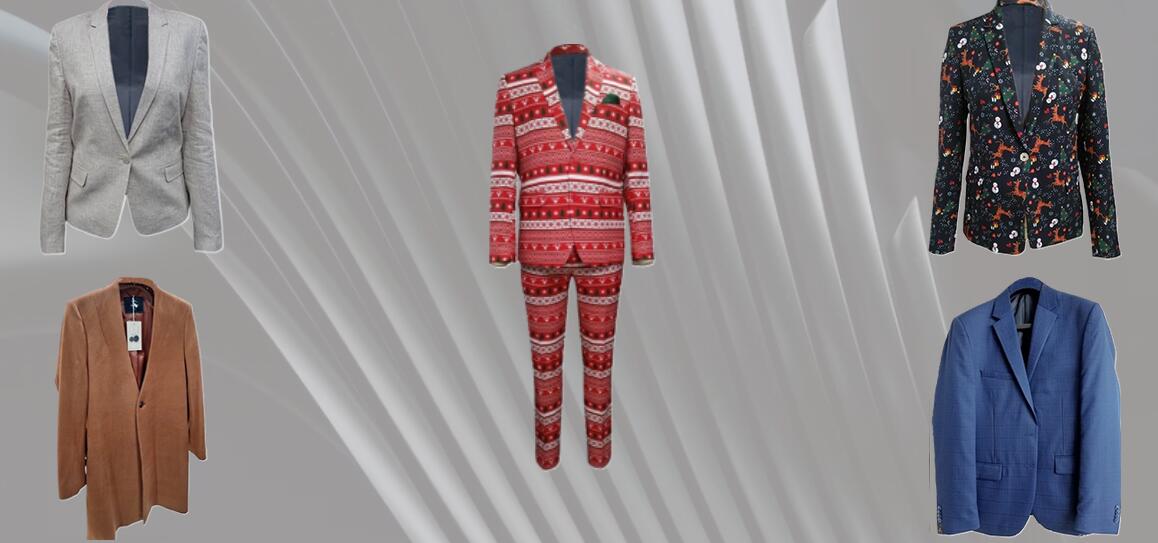
Here is a comprehensive, SEO-friendly description for Suit Sourcing, designed to rank for a wide range of keywords while maintaining natural readability. The content covers materials, construction techniques, fit considerations, and market applications — all within 1000 words and without bolding keywords.
Suit Sourcing – Your Complete Guide to Tailored Formal Wear from China
The suit category represents the pinnacle of tailored apparel, requiring precision craftsmanship, superior materials, and meticulous attention to fit. From business-ready two-piece sets and sophisticated blazer-and-trouser combinations to formal tuxedos and contemporary slim-fit styles, suits demand manufacturing expertise that goes beyond standard garment production. Sourcing suits from China provides access to manufacturers with specialized capabilities in tailored construction, offering competitive pricing, fabric variety, and scalable production for brands at every level. Partnering with an experienced suit sourcing agent navigates the complexities of canvas construction, fit development, and quality assurance, ensuring your formal wear collection meets the expectations of today’s discerning customers.
Understanding the Suit Landscape
Suits encompass a range of styles designed for different occasions, markets, and consumer preferences. Business suits form the foundation of professional wardrobes, featuring classic silhouettes, structured shoulders, and versatile colors suitable for office environments. Formal suits and tuxedos serve special occasions including weddings, galas, and black-tie events, requiring elevated finishing and premium materials. Slim-fit suits have gained prominence in contemporary fashion, offering modern proportions with narrower lapels, tapered trousers, and closer body fit. Classic-fit suits maintain traditional proportions with comfortable ease, appealing to customers seeking timeless styling. Three-piece suits add waistcoats for enhanced formality and styling versatility. Suit separates allow customers to mix jacket and trouser sizes, accommodating different body proportions and expanding size inclusivity. Seasonal variations include lightweight fabrics for summer weddings and heavier wools for fall and winter events. A successful sourcing strategy begins with identifying which suit styles align with your brand positioning and target customer.
Fabric Selection – The Foundation of Tailored Quality
Fabric choice fundamentally influences the drape, structure, and overall appearance of finished suits. Wool remains the gold standard for suit construction, offering natural breathability, wrinkle resistance, and excellent tailoring properties that allow for precise shaping. Super wool numbers indicate fineness, with higher numbers denoting finer fibers and softer hand feel. Wool blends combine the benefits of wool with polyester or other fibers for enhanced durability and affordability at accessible price points. Worsted wool features tightly twisted yarns that create smooth, durable fabrics resistant to wrinkling. Cotton suits offer breathability and casual elegance, suitable for summer weddings and less formal occasions. Linen suits provide a textured, relaxed appearance with exceptional breathability, popular in warm-weather destinations and resort collections. Polyester and synthetic blends offer wrinkle resistance and shape retention at competitive price points. Silk blends add subtle sheen and luxurious hand feel for special occasion suits. Sustainable options such as recycled wool, organic cotton, and responsibly sourced fibers are increasingly requested by environmentally conscious brands. A knowledgeable sourcing agent guides you through fabric selection based on your target market, price point, and desired aesthetic.
Construction Techniques – The Art of Tailoring
Superior suit construction distinguishes quality garments from mass-market alternatives through techniques that affect fit, longevity, and appearance. Canvas construction involves a layer of structured material between the outer fabric and lining, providing shape retention and a smooth appearance that improves with wear. Full canvas offers the highest quality, allowing the suit to mold to the wearer’s body over time while maintaining clean lines. Half canvas provides a balance of structure and cost efficiency, with canvas extending from shoulder through chest. Fused construction uses adhesive interfacing for a more affordable but less breathable and durable option. Shoulder construction varies from structured padded shoulders for formal business suits to natural, unpadded shoulders for softer, contemporary silhouettes. Lapel construction requires precision, with notch lapels for business suits, peak lapels for formal and double-breasted styles, and shawl collars for tuxedos. Sleeve attachment affects both comfort and appearance, with set-in sleeves offering clean lines and proper arm movement. Buttonholes, whether functional or decorative, require precise stitching for a polished finish. A sourcing partner with tailoring expertise ensures these construction details meet your quality standards.
The Sourcing Process – From Concept to Delivery
Effective suit sourcing follows a structured approach that balances design intent with manufacturing capabilities. The process begins with design specification, where you define silhouette, fabric, lining, hardware, and construction preferences that define your collection. Technical packs document these details comprehensively, providing manufacturers with clear guidance for pattern development and production. Sample development follows, typically starting with a prototype to evaluate fit, construction, and fabric behavior. Fit samples undergo multiple rounds of refinement, addressing critical areas such as shoulder alignment, chest drape, sleeve pitch, back balance, and trouser fit. Fitting sessions with sample garments on live models provide essential feedback for refinement. Pre-production samples confirm all details before bulk manufacturing begins. In-line inspections monitor cutting accuracy, stitching quality, and finishing details throughout production. Final inspection ensures consistency across the entire order before goods are packed for shipment. A dedicated suit sourcing agent manages each phase, handling factory communication, timeline coordination, and quality assurance on your behalf.
Fit and Sizing Considerations
Fit is paramount in suit production, directly impacting customer satisfaction, brand reputation, and return rates. Pattern grading across size ranges must account for proportional differences, ensuring that larger sizes maintain proper proportions rather than simply scaling up smaller patterns. Fit standards vary across markets, with European, American, and Asian sizing requiring careful consideration based on your target audience. Jacket fit encompasses chest circumference, shoulder width, sleeve length, jacket length, and waist suppression that creates silhouette. Trouser fit includes waist, hip, rise, thigh, and inseam measurements that must coordinate with jacket proportions. Suit separates require careful coordination between jacket and trouser sizing systems. Fit models representing your target demographic help validate sizing accuracy before production. A sourcing agent experienced in tailored fit development helps you achieve consistent sizing that meets market expectations.
Lining and Interior Finishing
Quality suits reveal their craftsmanship in interior details that distinguish exceptional garments. Linings affect comfort, durability, and the garment’s overall drape. Full lining provides a finished interior, reduces friction with underlying clothing, and extends garment life. Half lining offers lightweight options for summer suits and warmer climates. Lining fabric choices range from breathable viscose and cupro to durable polyester blends, with each affecting comfort and performance. Interior pockets, including chest pockets and lower interior pockets, add functionality and a premium feel. Pick stitching along lapels and pocket edges provides subtle detailing that signals quality construction. Sleeve lining construction affects ease of movement and prevents twisting. Vent construction at jacket backs, whether single, double, or no vent, affects both appearance and comfort. A sourcing partner with attention to interior finishing ensures these details enhance both appearance and functionality.
Quality Control Standards
Consistency in suit production requires rigorous quality standards throughout the manufacturing process. Fabric inspection ensures that materials meet specifications for weight, color, and performance before cutting begins. In-process inspections monitor seam integrity, stitch tension, and hardware installation throughout production. Dimensional checks ensure accurate sizing across all units, with particular attention to chest, shoulder, sleeve, and length measurements. Pressing and finishing quality affects the garment’s final appearance, with proper pressing essential for sharp lapels, clean edges, and proper shape. Shrinkage testing confirms that fabrics maintain dimensions after dry cleaning. Colorfastness testing verifies dye stability across production batches. A sourcing agent with local presence conducts factory audits and maintains quality oversight throughout production.
Low Minimum Order Quantities and Scalability
Suit sourcing from China offers flexibility across order volumes, though minimum quantities vary by construction complexity and fabric sourcing. Many manufacturers accommodate low minimum order quantities for simpler styles using stock fabrics, allowing emerging brands to enter the market with manageable inventory. Custom-dyed fabrics, specialty weaves, and full canvas construction typically require higher minimums. For emerging brands, working with a sourcing agent helps identify factories willing to support smaller initial orders while maintaining quality standards. For established businesses requiring high-volume production, manufacturers offer scalable capacity to fulfill large wholesale orders across multiple styles, sizes, and colors. Whether you need 100 pieces for a capsule collection or 10,000 units for a seasonal launch, the right sourcing partner aligns manufacturing capabilities with your business model.
Sustainability and Ethical Manufacturing
Consumer expectations around sustainability increasingly influence suit sourcing decisions, particularly in formal wear where quality and longevity are valued. Many Chinese suit manufacturers have adopted sustainable practices, including water-efficient dyeing processes, renewable energy usage, and waste reduction programs. Sustainable material options include recycled wool, organic cotton, Tencel, and responsibly sourced fibers. Certifications such as OEKO-TEX, GOTS, and BSCI provide third-party validation of environmental and social responsibility. Ethical manufacturing standards, including fair wages and safe working conditions, are increasingly prioritized by factories seeking long-term partnerships. A sourcing agent committed to responsible supply chains helps you identify manufacturers aligned with your sustainability goals, enabling you to market your suits with authenticity and transparency.
Logistics and Shipping Considerations
Efficient logistics ensure your suits arrive on schedule and in optimal condition. Sea freight offers cost-effective solutions for larger orders, while air freight provides faster delivery for time-sensitive collections. Suits require careful packing to maintain shape and prevent wrinkling during transit, with hanging garment containers recommended for wrinkle-sensitive styles. Warehousing, consolidation, and fulfillment services can be integrated into your sourcing arrangement, simplifying the supply chain. Seasonal planning is critical for suit collections, with spring and summer weddings requiring early production timelines and fall business suit collections following separate schedules. A sourcing agent coordinates shipping documentation, customs clearance, and final-mile delivery, reducing administrative burden and minimizing delays.
Why Partner with a Suit Sourcing Agent
Navigating suit manufacturing independently presents unique challenges given the complexity of tailored construction, fit requirements, and material specifications. A dedicated suit sourcing agent acts as your on-the-ground representative, leveraging established relationships with vetted factories to secure competitive pricing and reliable production. From initial concept to final delivery, the sourcing agent handles factory selection, negotiation, sample approval, quality control, and logistics coordination. This approach allows you to focus on design, brand development, marketing, and sales while ensuring your suit collection meets quality and timeline expectations.
Applications Across Markets
Suits serve diverse markets, each with distinct requirements. Corporate and business wear brands demand structured silhouettes, durable materials, and consistent sizing across large orders for professional environments. Fashion brands prioritize contemporary cuts, unique details, and seasonal fabric selections that differentiate their collections. Wedding and formal wear markets require elevated finishing, premium materials, and attention to special occasion details. Retailers seek reliable inventory, competitive pricing, and versatile styles that appeal to broad customer bases. E-commerce brands require accurate sizing, photogenic presentation, and packaging that enhances the customer experience. A sourcing partner with cross-industry experience tailors solutions to your specific market segment.
Share